
As an Amazon Associate I earn from qualifying purchases. I may earn a commission from affiliate links at no extra cost to you.
When the days start to stretch a little longer I find myself wandering over to the garden beds, just to see what’s poking up through the soil. Lately the thought of a low‑maintenance border that can handle a bit of sun and still look lively has been circling in my head. That’s when I remembered the little packets of Aubrieta – those tiny, hardy perennials that throw out a carpet of lavender‑purple in early spring.
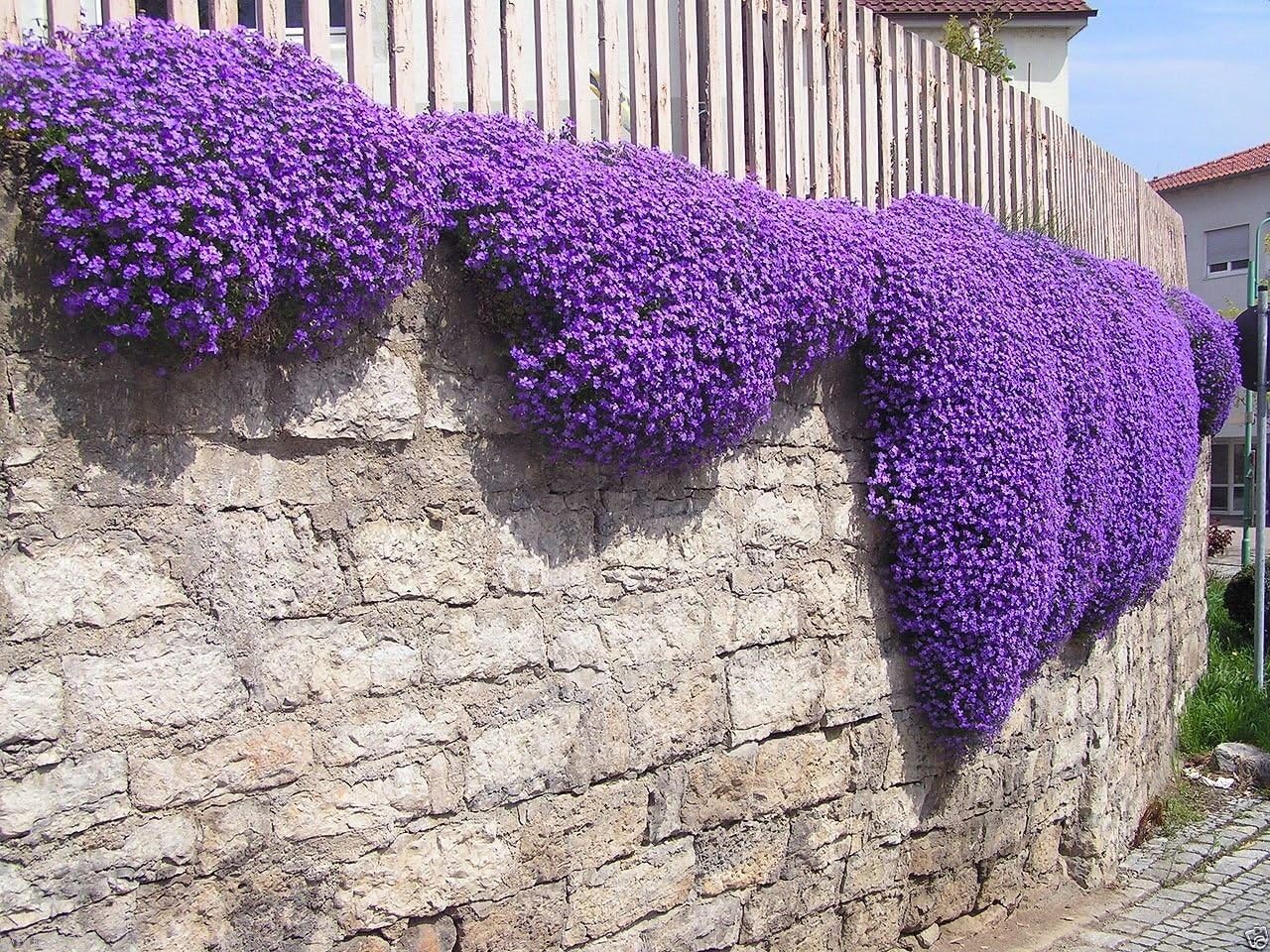
The packet I’m talking about holds 250 seeds, which sounds like a lot until you realize each plant only grows to about 3–6 inches tall. Still, they spread out nicely, eventually covering a foot or more in width, making them perfect for slipping between patio flagstones or filling the cracks of a dry bank. What I love is that they’re deer‑resistant – a small mercy if you’ve ever watched a graceful buck munch through your favorite marigolds.
Most people notice that Aubrieta is pretty forgiving when it comes to soil type, as long as the ground isn’t constantly soggy. A common reaction is surprise at how quickly the little seedlings turn into a dense mat of foliage, each leaf a soft, bluish‑gray that frames the vivid blooms. The flowers themselves pop up in March or April, depending on your climate, and they keep going until the heat of summer forces them to bow out.
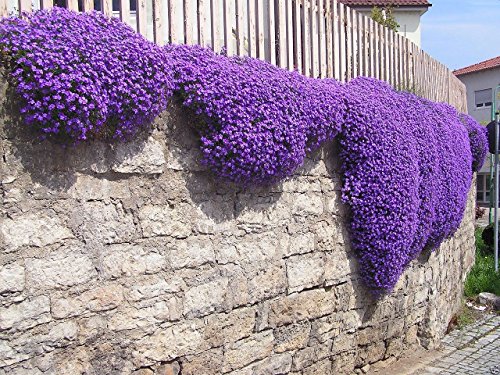
If you’re wondering where they fit best, think of the spots where you’d normally use a groundcover that can handle a little neglect. Dry rock gardens, vertical walls, or the sloping side of a retaining wall are all prime real estate. I’ve tried them between stepping stones on a patio, and they’ve turned those gaps into a subtle, almost watercolor‑like backdrop for the bigger plants.

A couple of practical tips I’ve gathered from fellow gardeners:
- ✅ Sow the seeds directly onto the surface of well‑drained soil and press them lightly – they need light to germinate.
- ✅ Water just enough to keep the seedbed damp for the first couple of weeks; over‑watering can actually drown the tiny seeds.
- ❌ They don’t thrive in heavy, clay‑rich soils that stay wet, so if your garden has that kind of ground you might want to amend it with sand or compost first.
- ❌ In deep shade the plants can become leggy and the color of the flowers dulls a bit, so aim for at least a few hours of sun each day.
One limitation worth mentioning is that Aubrieta can be a bit of a “self‑seeder” if you let the spent flower heads drop. That’s usually a plus, but if you have a meticulously planned design, you might need to trim the old stems before they go to seed. It’s not a huge hassle, just a reminder that these plants love to spread.
Beyond the practicalities, there’s a simple pleasure in watching a patch of these little purples emerge after a cold snap. The contrast against the gray stone or the green foliage of taller perennials feels almost cinematic. And because they’re perennials, you won’t need to re‑plant every year – they’ll come back, year after year, with only minimal upkeep.
If you’re already thinking about where to tuck a packet of Aubrieta into your garden, the Aubrieta / Rock Cress brand offers a reliable option. The seeds are packaged in a resealable bag that keeps moisture out, which is handy if you’re buying in bulk or want to store a few for next season.

So, whether you’re a seasoned gardener looking to fill a stubborn bare spot or a beginner who wants a splash of colour without a lot of fuss, these 250 seeds could be the low‑key hero of your spring planting list. Just remember the soil drainage and sunlight basics, give them a little water to start, and let nature take over. In a few weeks you’ll have a living, breathing purple carpet that’s as resilient as it is pretty – and that’s a pretty good trade‑off for a handful of seeds.
Click to see more on Amazon and decide if it’s right for you.