
As an Amazon Associate I earn from qualifying purchases. I may earn a commission from affiliate links at no extra cost to you.
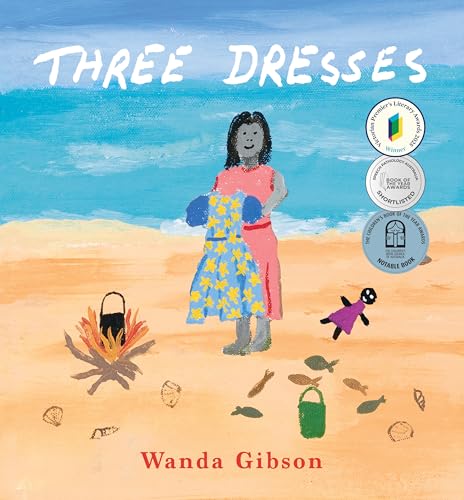
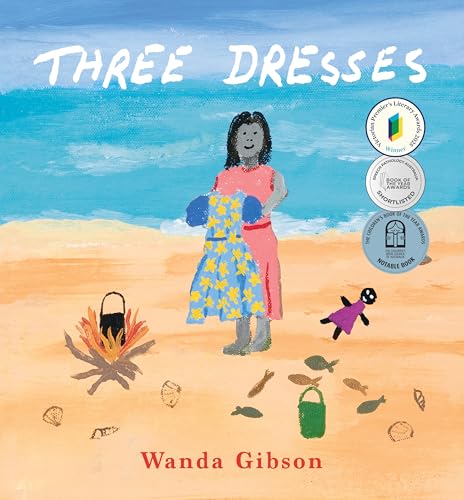
The hum of a Saturday morning café, a half‑finished latte cooling on the saucer, and a thin paperback slipping between my fingers. That’s the kind of small, unremarkable scene that often turns into a surprisingly rich reading experience, especially when the story you’re holding is Three Dresses from University of Queensland Press.
The novel opens not with a grand proclamation, but with a simple, almost mundane observation: a woman standing in front of a wardrobe, trying on a dress she’s never worn before. It’s a moment anyone who’s ever faced a closet dilemma can relate to, yet the author uses it as a doorway into three distinct lives, each threaded together by the fabric of those dresses. The narrative drifts from one character to the next, letting each voice settle in before moving on-kind of like switching from a cappuccino to an espresso without missing a beat.
What struck me early on was the way the prose feels conversational, as if the narrator is sitting across from you, sipping tea, and gently nudging you to notice the small things: the way a hemline can signal a change in status, or how a pattern might echo a memory. It’s not a fast‑paced thriller; the pacing is deliberately measured, letting the emotional weight of each dress unfold. Most readers I’ve chatted with appreciate that slower rhythm because it encourages reflection, but it can also feel a tad sluggish for those craving constant plot twists.

The three central figures-Mira, Anika, and Jo-are tied together not by a shared family name, but by the symbolic role clothing plays in their lives. Mira, a young teacher, discovers a vintage dress in a thrift shop that becomes her quiet rebellion against a rigid school uniform policy. Anika, a mid‑career lawyer, inherits a silk gown that forces her to confront a long‑suppressed desire to return to painting. Jo, an elderly widow, clings to a hand‑stitched dress from her late husband, finding in its threads a way to keep his memory alive while navigating the loneliness of retirement.
Their stories intersect in subtle, almost accidental ways: a shared boutique, a community fundraiser, a forgotten coat rack. The author never forces a grand meeting; instead, the connections feel organic, like spotting the same street performer on different days. It’s the kind of narrative technique that rewards attentive readers-if you notice the recurring motif of a particular button, you’ll realize it’s the thread that ties the whole tapestry together.
- ✅ Thought‑provoking exploration of identity through clothing
- ✅ Rich, lyrical prose that feels both intimate and expansive
- ❌ Deliberately slow pacing might test readers who prefer constant action
There’s also a subtle commentary on how society judges us by outward appearances. In one scene, Jo’s neighbors whisper about her “old‑fashioned” attire, while Mira’s students gasp at her bold, patterned skirt. The novel gently pushes back against those judgments, suggesting that the real story lies beneath the fabric. It’s a reminder that the clothes we wear can both conceal and reveal, depending on who’s looking.
One limitation worth mentioning: the book leans heavily on descriptive passages about texture, color, and smell. While that depth is beautiful, it can occasionally overwhelm the storyline, especially for readers who prefer dialogue‑driven narratives. If you’re the type who skips over long descriptive sections, you might find yourself skimming at times.

Who might not enjoy this? Those seeking a conventional romance or a high‑stakes mystery could feel a bit out of sync with the book’s contemplative mood. It’s not about a dramatic climax; it’s about quiet revelations that arrive like a soft sigh. If you thrive on adrenaline‑pumping plot twists, this might not be your cup of tea.
Still, for readers who love literary fiction that lingers like a scent from a favorite perfume, Three Dresses offers a rewarding experience. It asks you to consider how the garments you choose-or inherit-shape your identity, relationships, and even your future choices. By the final page, you’re left with a lingering image of a dress hanging in a sunlit closet, waiting for the next person to give it meaning.
In the end, the book feels less like a story and more like an invitation to pause, look at the wardrobe, and wonder: which dress would I wear if I wanted to rewrite my own narrative? It’s a question that stays with you, long after the last chapter has been turned.
Click to see more on Amazon and decide if it’s right for you.